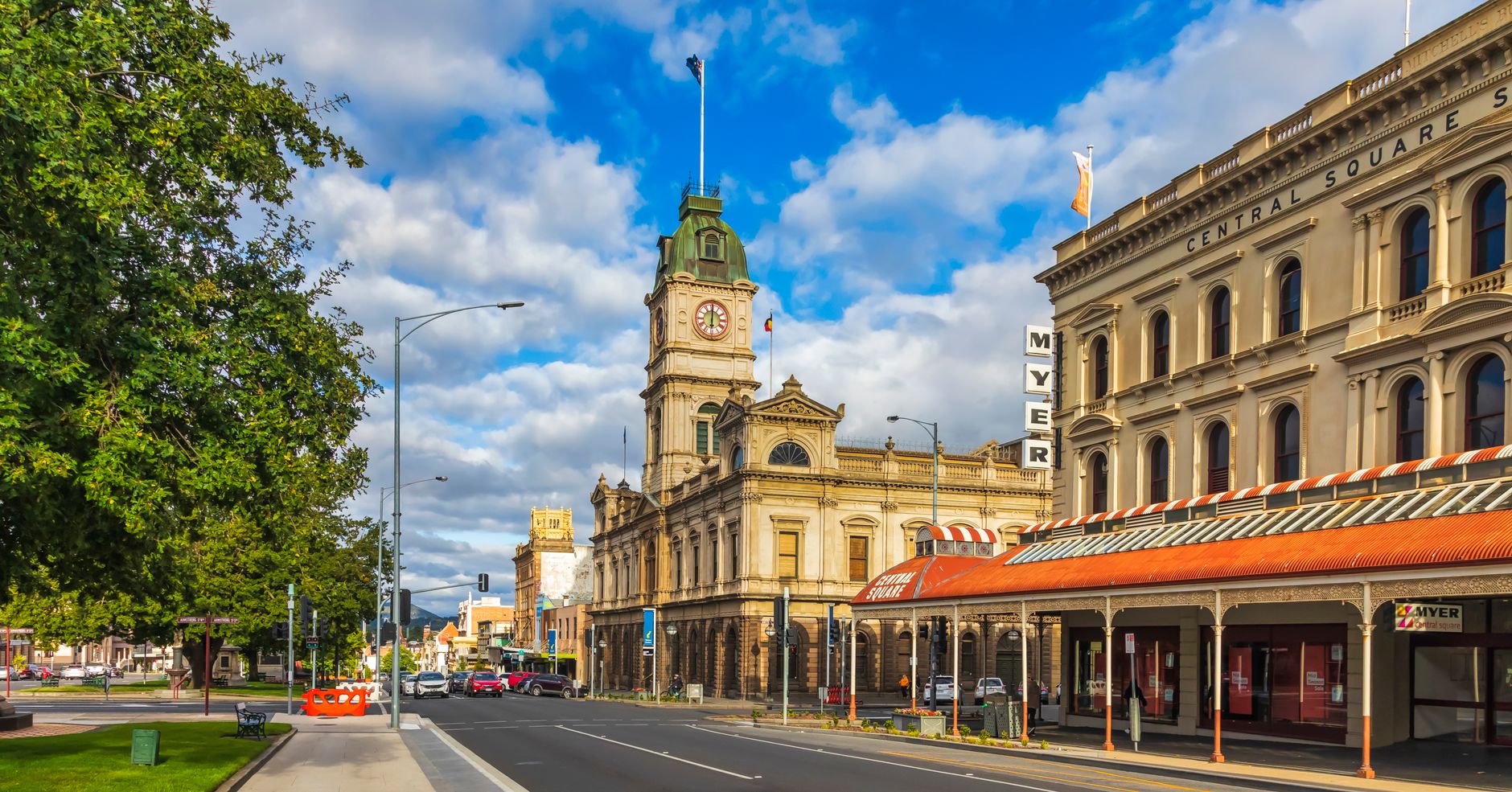
Yass is one of those towns that rewards a slower look. It sits on the Yass River, about 60 kilometres north of Canberra and 290 kilometres from Sydney, at a point where the tablelands open out into broader pastoral country. European settlers reached the area in the 1820s, and the town that grew from that contact has held its shape better than most. The main street still carries the weight of its Victorian streetscape, and the surrounding district still runs sheep and cattle on land that hasn't changed hands easily in generations.
Getting there and getting around
Yass sits directly on the Hume Highway corridor, which means it's genuinely easy to reach by road from both Sydney and Canberra. The town itself is compact enough to walk between most points of interest in under 20 minutes. Comur Street is the commercial spine: the post office, the heritage hotel, the cafes, and the council chambers all line up along it in a way that feels deliberate rather than accidental.
The Yass Valley Council covers a large area extending south and east, taking in farmland, reserves, and smaller communities. Yass the town is the administrative centre of that whole district, which gives it a working civic weight you don't always find in places of its size (population around 7,000).
The history on the ground
The Ngunnawal people lived across this country long before European contact. Pastoral runs followed the explorers in the late 1820s, and by the 1830s Yass had a recognisable town plan. The Cooma Cottage property, located a few kilometres from the town centre, is one of the most historically significant sites in the region. Cooma Cottage was the home of explorer Hamilton Hume and is managed by the National Trust of Australia; it offers a direct line back to the early colonial period in a way that few properties in NSW still can.
The courthouse, the Anglican church, and the original hotel buildings on Comur Street all date from the mid-to-late 1800s. None of them have been dramatically altered. That's not always true in regional towns that have cycled through retail booms and contractions, so it stands out here.
The river and the flats
The Yass River runs through the edge of town and the flat country beside it is part of what made the location attractive in the first place. Water in dry inland country is never incidental. The river environs now include walking tracks and parkland that local residents use heavily on weekends. It's not dramatic scenery in the way that Araluen's hidden valley is, but the open flats and the willows along the bank have their own quiet appeal.
Fishing in the Yass River is modest. Brown trout move through the cooler reaches, and the river is a reason to slow down rather than a destination on its own. Most visitors combine a walk along the river with time on the main street rather than treating it as a separate excursion.
Food, coffee, and staying overnight
Yass has improved considerably as a food stop over the past decade. The cafes on Comur Street have genuine espresso machines and cooks who care. The town's position on a major highway corridor means it draws a steady passing trade, which has pushed standards up. A handful of restaurants operate in the evening, and the historic hotel provides counter meals and accommodation in a building that hasn't tried to pretend it was built last year.
Accommodation options include the hotel, a motel on the highway fringe, and a growing number of rural stays on properties in the surrounding district. Some of the pastoral properties offer glamping-style setups that have become popular with Canberra visitors looking for a weekend away that doesn't involve a long drive.
What's produced in the Yass Valley
The Yass Valley district is serious wool and fine merino country. The tablelands climate and the pasture quality have made this one of the consistently high-performing areas for fine fleece in southern NSW. Beef and lamb production run alongside wool. There's also a wine scene that has grown steadily since the 1970s: the Clonakilla winery, located near the suburb of Murrumbateman just south of Yass, is one of Australia's most respected producers of Shiraz Viognier and draws visitors specifically for its cellar door.
The broader Yass Valley wine district includes a cluster of cellar doors within a short drive of the town centre. It's not a large wine region by Hunter Valley standards, but the quality is high and the cellar doors are uncrowded on most weekday visits.
Yass in the context of the Southern Tablelands
Yass sits at the northern end of the Southern Tablelands arc, which stretches south and east through country that varies considerably in character. Towns like Taralga, with its deep colonial roots on the elevated plains, share Yass's pastoral heritage but sit in a different landscape and at a different remove from major population centres. Yass benefits from its proximity to Canberra: that capital city demand supports the local economy and keeps services running at a level that more remote tablelands towns can't always maintain.
For travellers on the Hume Highway who have always driven past, Yass is worth the ten-minute detour off the bypass. The main street takes half an hour to walk properly, coffee is good, and Cooma Cottage alone justifies a deliberate stop rather than an accidental one.