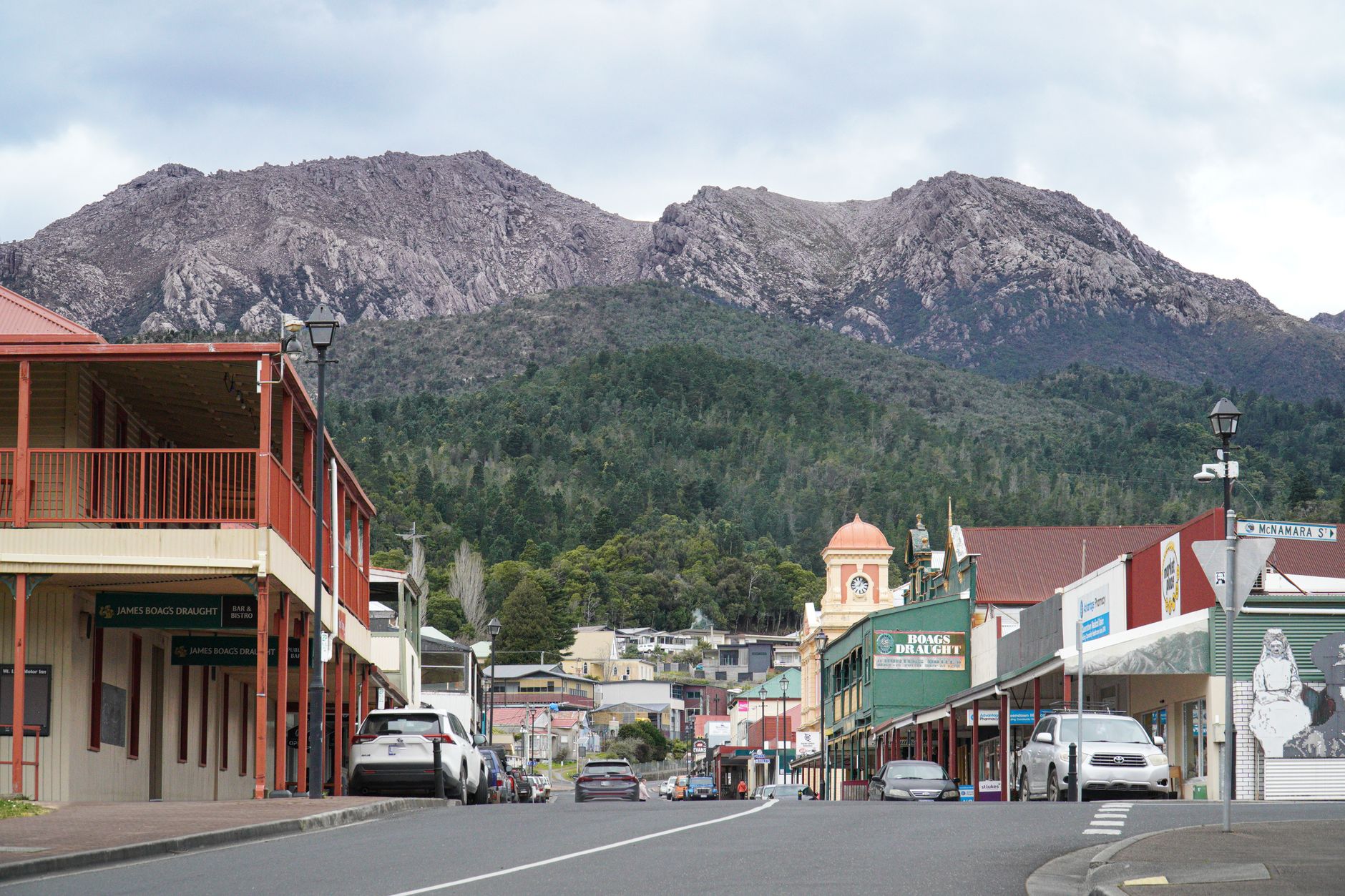
Taralga is a small town on the Southern Tablelands of New South Wales, positioned roughly between Goulburn and Oberon at an elevation that gives it cool winters and sweeping open views. The town sits along Taralga Road in the Goulburn Mulwaree local government area, and while it isn't large by any measure, it carries the kind of quiet confidence that comes from a long history and a tight-knit community.
A town shaped by grazing and gold
Europeans settled the Taralga district in the 1820s, drawn by the quality of the grazing country. Merino wool became the economic foundation, and many of the pastoral runs established in that era were enormous by modern standards. The district briefly caught gold fever in the 1850s when alluvial gold was found nearby, but Taralga never became a true goldfields town. Wool and cattle pulled it back to its agricultural identity, and that's largely where it has stayed.
The Goulburn Mulwaree Council area retains some of the most productive grazing land in the state, and Taralga sits squarely in that productive belt. The town's streetscape reflects the prosperity of the late nineteenth century: several sandstone and brick buildings from the 1880s still stand on the main street, giving Taralga a solidity that newer rural towns simply don't have.
What you'll find in town
Taralga is a one-street kind of place, and that's part of the appeal. The main street holds a pub, a small general store, and a handful of heritage buildings that reward a short walk. The St Brendan's Catholic Church, built in 1882, is one of the more striking structures in town. The surrounding Anglican and Presbyterian churches are similarly aged and similarly well-kept.
The town serves a working rural community, not a tourist trade, so the feel is genuine. Locals run cattle and sheep on properties that have sometimes been in the same family for four or five generations. Taralga doesn't perform rusticity for visitors. It's just what it is.
Wind energy and a changing skyline
Taralga hosts one of the more visible renewable energy projects in the Southern Tablelands. The Taralga Wind Farm, operated by Goldwind Australia, has 51 turbines spread across properties to the north and east of town. The wind farm generates around 177 MW of installed capacity and has been operating since 2014. Views of the turbines from the surrounding roads are unavoidable, and opinions in town are mixed, as they tend to be in any community that hosts large-scale infrastructure. The wind farm does contribute to local employment and brings some economic activity to a district that has seen population decline over recent decades.
The road through Taralga
Taralga sits on one of the quieter routes connecting the Hume Highway corridor to the Great Dividing Range. Travellers heading between Goulburn and Oberon pass through, and a smaller number come up from Goulburn specifically to explore the high country beyond. The landscape on approach from the south is open tableland, big sky, and long sightlines. It's not dramatic scenery in the way that gorges and waterfalls are dramatic. The appeal is spatial: the sense of being on top of something, with the plains spreading out in every direction.
If you're exploring the Southern Tablelands by road, Taralga pairs well with a longer loop that takes in other small historic communities. The region rewards unhurried driving. Places like Araluen, another tucked-away Southern Tablelands village, share that same quality of feeling genuinely removed from the faster rhythms of the coast and the capital.
When to visit
Spring and autumn are the most comfortable seasons in Taralga. Summer days at this elevation can be warm without reaching the extremes of the lowlands, and the surrounding paddocks are green through September and October. Winter is cold. Frosts are common from June through August, and the high country roads can be slow going after overnight rain. But the winter light on the open grazing country is worth the extra layers.
Taralga doesn't have accommodation to speak of beyond a few rural stays and the pub. Plan accordingly if you're coming from a distance. The town is best treated as a destination in itself rather than a base for a wider stay.