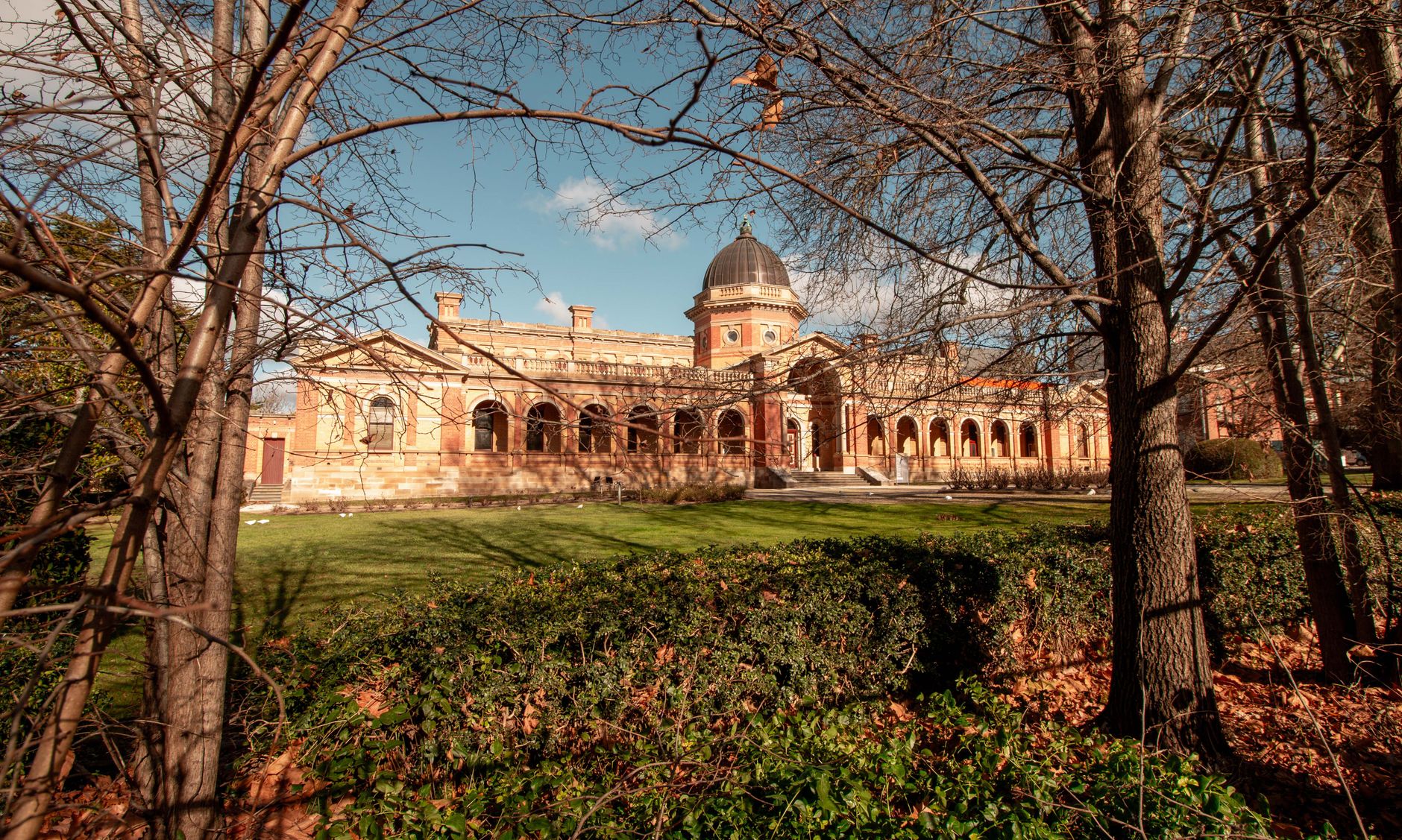
Goulburn is the largest city in the Southern Tablelands of New South Wales, sitting at an elevation of around 690 metres on the plateau between Sydney and Canberra. It's a working regional city, not a polished tourist village, and that's exactly what gives it character. The streets are wide, the buildings are old, and the surrounding pastoral country stretches to every horizon.
A city built on wool and bluestone
Goulburn earned its place on the map through wool. The surrounding Mulwaree Plains became some of the colony's most productive grazing land in the 1820s, and the town that grew to service those stations became a city in 1863, the first inland city proclaimed in Australia. That heritage is visible in almost every block of the CBD. The Goulburn Post Office, the St Saviour's Cathedral, and the courthouse are all sandstone construction from the Victorian era, solid and unhurried.
St Saviour's Cathedral deserves particular attention. St Saviour's Cathedral was designed by Edmund Blacket, the same architect responsible for St Andrew's Cathedral in Sydney, and the interior is one of the finest Gothic Revival spaces in regional Australia. Entry is free. Spend 20 minutes there and the age of the city becomes tangible.
What to do in Goulburn
The Big Merino is Goulburn's most photographed landmark: a 15-metre concrete Merino ram that houses a small wool exhibition inside. It's as odd as it sounds and worth five minutes of your time. More rewarding is the Goulburn Historic Waterworks, a 19th-century pumping station on the Wollondilly River that still runs its original steam engines on selected days. The machinery is genuinely impressive and the site sits in a quiet riverside reserve.
Rocky Hill War Memorial and Museum sits on a hill above the city and offers views across the rooftops to the surrounding tableland. The museum holds a significant collection of local military history, and the hilltop walk takes less than half an hour from the city centre. Goulburn also holds a well-attended Lilac City Festival each spring, when the city's streets fill with flowering lilacs and the town takes on a noticeably festive mood.
If you want a practical base while exploring the wider Southern Tablelands, Governors Hill CP sits just outside the city and makes a solid overnight stop before pushing further into the region.
Food, drink, and staying overnight
Goulburn's food scene has grown. The Paragon Café on Auburn Street has been trading since 1916 and is worth visiting for the interior alone: pressed tin ceiling, original fittings, honest country cooking. A handful of newer cafés have opened around the CBD in recent years, catering to the Sydney-Canberra corridor traffic that passes through daily. The Goulburn Hotel and the Crown Hotel both offer straightforward pub meals and cold beer in rooms that look much as they did decades ago.
Accommodation runs from motel chains on the Hume Highway to a growing number of B&B options in historic homes within the city. Booking ahead on long weekends is advisable, particularly during festival periods.
Day trips from Goulburn
Goulburn's geography makes it a natural hub. Marulan sits just 30 kilometres north along the Hume Highway, a compact stop that rewards the traveller who slows down. Taralga is about 50 kilometres to the northwest on elevated pastoral plains, with colonial buildings and wide views that feel a long way from the highway. Braidwood lies 70 kilometres east through the ranges, a Georgian streetscape with an active arts community. Lake Bathurst is a short drive to the southeast, a vast shallow lake on farmland that's worth a detour for birdwatching.
Goulburn also sits at the junction of the Hume and Federal Highways, which means access to Yass, Crookwell, and the Canberra corridor is straightforward. Few cities in regional New South Wales put this much varied country within an hour's drive.
Getting there
Goulburn is 195 kilometres southwest of Sydney via the Hume Highway and 96 kilometres north of Canberra. NSW TrainLink runs daily services from Sydney's Central Station, with a journey time of around 2.5 hours. The drive from Sydney takes roughly 2 hours. From Canberra, the drive north takes just over an hour.
Parking is free throughout most of the city centre and the streets are wide enough that the city never feels crowded, even on busy weekends. Goulburn rewards the visitor who gives it a full day rather than a quick stop for fuel and coffee.