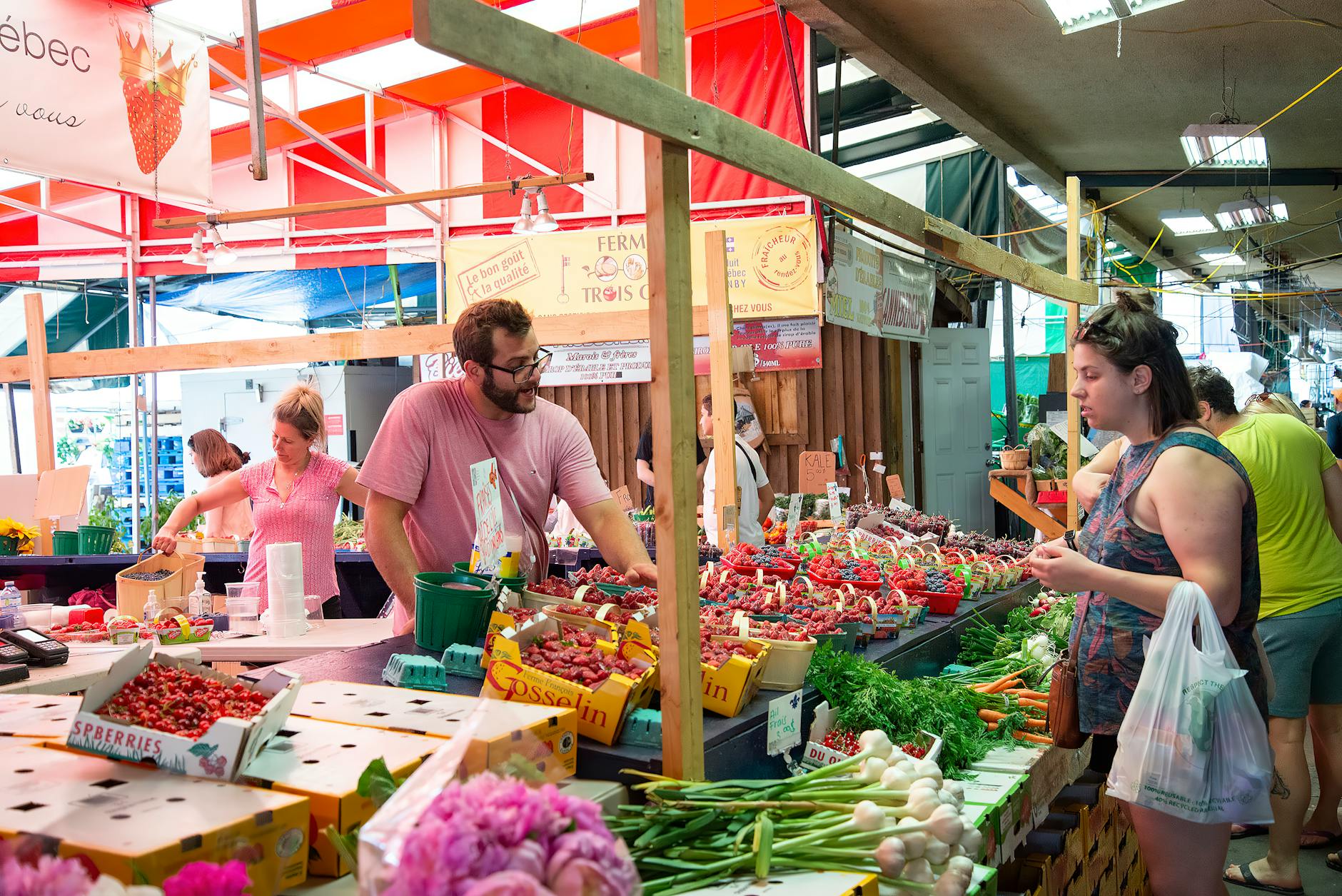
The Southern Tablelands has a market culture that reflects its character: unhurried, honest, and rooted in the land. Across the plateau and its surrounding valleys, weekend markets draw together small-scale farmers, makers, bakers, and collectors in settings that range from sandstone courthouse lawns to rural showgrounds. Whether you're after fresh produce grown at altitude, handmade ceramics, or a genuinely good flat white in a paddock, the region's markets deliver with the kind of specificity that supermarkets never can.
What makes Southern Tablelands markets different
Elevation shapes everything here. At 800 metres and above, the plateau produces cold-climate food that simply doesn't exist in the coastal lowlands: lamb and beef from grass-fed flocks, stone fruit with more acid and complexity, potatoes and brassicas of startling quality, and small-batch preserves made from backyard orchards. Markets on the Tablelands tend to carry a real agricultural backbone rather than the craft-heavy lean you see in metropolitan weekend markets. Stalls selling working farm produce sit alongside ceramics, wool products, and second-hand books. It's a practical mix.
The community pull is also genuine. These are not tourist fabrications. Many of the region's markets have been running for years, staffed by the same producers and sustained by local regulars. A visitor is welcome, but isn't the sole reason the market exists. That distinction matters, and you feel it.
Goulburn and surrounds
As the Southern Tablelands' largest centre, Goulburn, the Southern Tablelands' proud capital city, supports a healthy market calendar. The Goulburn Farmers Market runs on the second Saturday of most months and focuses tightly on locally grown and produced food. Expect lamb, beef, eggs, seasonal vegetables, cheese, honey, and bread from producers within the surrounding district. The setting near the historic precinct adds to the appeal: sandstone and fresh produce make for a good morning combination.
Trash and Treasure markets near the showground pull a different crowd. Antique tools, vintage linen, old crockery, and the occasional piece of station furniture surface regularly. These require patience and early arrival, but the finds can be extraordinary.
Braidwood
Braidwood runs one of the region's most celebrated markets. Braidwood, a living Georgian town in the Southern Tablelands, has built a deserved reputation as a hub for artisan food and creative work, and the monthly market reflects that identity closely. Stalls wind through the historic town centre, with producers from the surrounding Araluen Valley and Deua River country bringing in orchard fruit, small-batch preserves, pastured eggs, and charcuterie. Craft stalls lean toward functional objects: pottery, leatherwork, handwoven textiles.
The Braidwood market draws visitors from Canberra regularly, which keeps quality competitive. Producers know they're being judged. The result is a market where mediocre stalls don't last long.
Crookwell and the high plateau
Crookwell sits at some of the highest farming country in New South Wales, and its markets carry produce that reflects that altitude. Seed potatoes, cool-climate strawberries, and grass-fed lamb feature more prominently here than almost anywhere else in the region. Crookwell, a Southern Tablelands town with real character, hosts seasonal markets tied to the agricultural calendar rather than a fixed monthly schedule, so it pays to check local listings before making the trip. The Crookwell Potato Festival, held in autumn, doubles as one of the region's more unusual market events, with stalls selling heritage potato varieties alongside local food and craft.
Village markets worth seeking out
Some of the most rewarding markets in the region are the smallest. Gundaroo, a colonial village in the hills north of Canberra, holds occasional community markets in and around its heritage-listed main street. Yass supports regular market activity tied to its river flat showground, with a mix of produce, plants, and collectables. Taralga and Marulan each host sporadic community markets that are worth checking when passing through.
The village scale strips away any sense of performance. A stall-holder in Gundaroo is almost certainly your neighbour's neighbour, and conversations tend to go longer and further than the city equivalent.
Tips for getting the most from a Tablelands market visit
- Arrive in the first hour. The best produce and the best-priced antiques go to early arrivals.
- Bring a cooler bag. Cold-climate produce travels well, but not in a hot car boot for three hours.
- Carry cash. Card readers are more common than they used to be, but not universal at smaller stalls.
- Check seasonal calendars. Several markets run April through October and reduce or pause over summer.
Market dates and locations do shift. The Visit NSW Southern Tablelands listings page carries a regularly updated calendar of events across the region and is a reliable first stop when planning a weekend around market visits.
The Southern Tablelands' markets are not a replacement for its landscape, its history, or its towns. They're an access point into all three at once. A conversation with a potato grower from Crookwell or a cheese maker from outside Braidwood carries more regional knowledge than most guidebooks, and costs nothing but time.