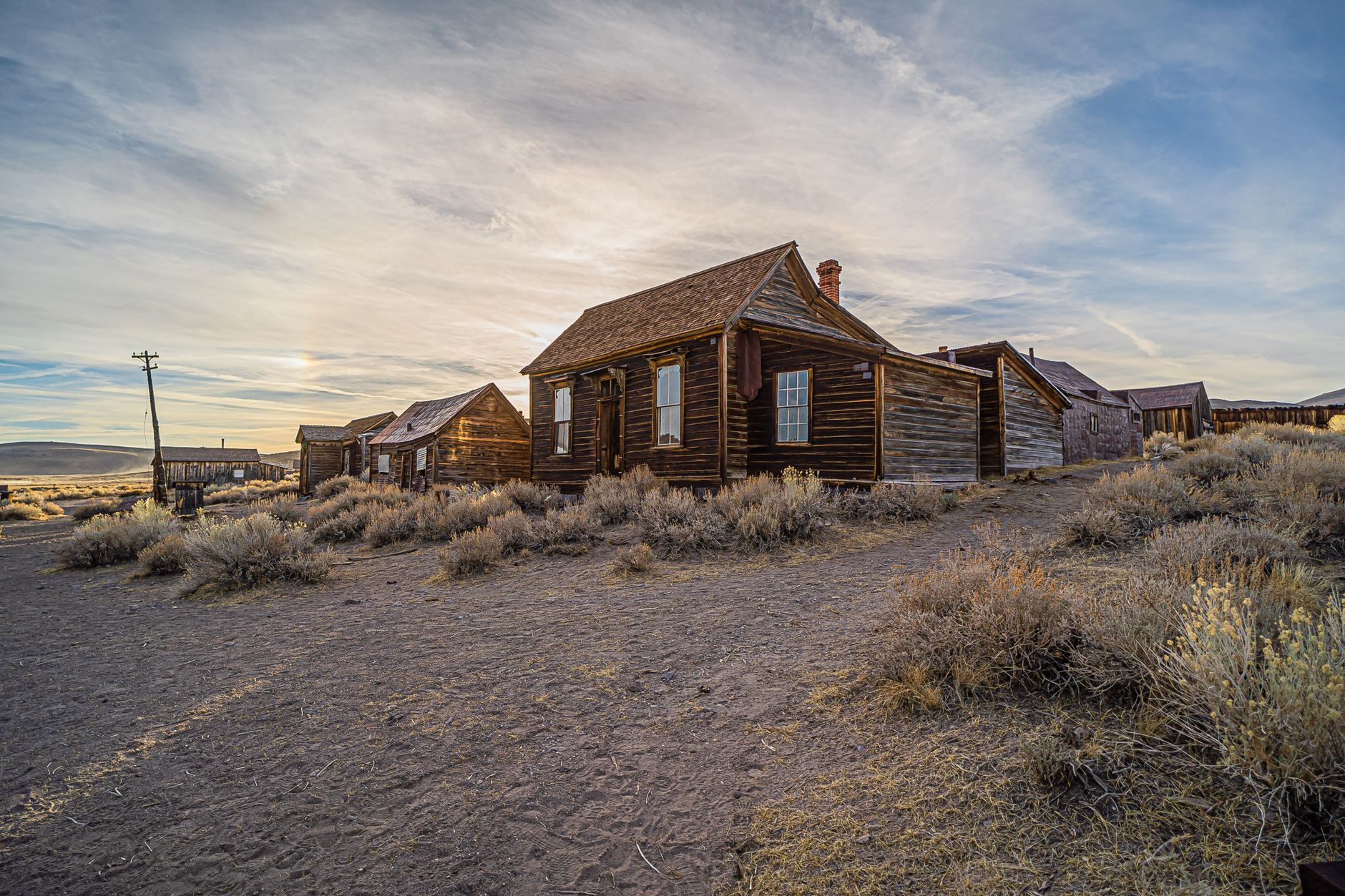
Majors Creek sits in a quiet fold of the Southern Tablelands, about 20 kilometres south of Braidwood along a winding road that rewards the drive. The village is small, the population a few dozen, and the pace of life slow enough that you notice the birds. Yet Majors Creek carries a weight of history that far exceeds its size: this was once a roaring goldfield, home to thousands of diggers, a racecourse, three hotels, and the kind of lawless energy that characterised every boomtown of the 1850s. The gold is largely gone. The atmosphere is not.
A brief history of the Majors Creek goldfield
Gold was discovered at Majors Creek in 1851, just months after the first rushes in Victoria and central New South Wales set the colony alight. The timing was electric. Diggers poured in from Braidwood, from Sydney, and from the Californian goldfields, men who knew what a creek bed could hide. Within a year, Majors Creek had grown into a full settlement with its own identity, shops selling at Sydney prices, and a population that briefly rivalled far larger towns.
The alluvial gold was rich but not endless. By the early 1860s the easy pickings had thinned, and the restless digger population moved on to the next rush. What remained was a small farming and grazing community, a church, a school, and the landscape itself: creek flats terraced and pitted by decades of hand-worked sluicing, visible still if you know where to look. The Majors Creek goldfield never quite rivalled the scale of Tuena or the Araluen Valley diggings to the south, but it left a clear mark on the land and on the records.
The village today
Majors Creek today is a genuinely quiet place. The main cluster of buildings sits along the valley floor: a hall that hosts the famous annual Majors Creek Garden Festival, a handful of heritage cottages, and the creek itself running cold and clear through the property margins. Mobile reception is limited. The road in from Braidwood is unsealed for part of its length, which keeps the drive honest and the crowds thin.
The Georgian streetscape of Braidwood acts as the natural supply town for Majors Creek visitors: coffee, fuel, and accommodation are all 20 minutes up the road. Majors Creek itself offers a different kind of value. It's a place to slow down, walk the creek, and read the landscape rather than a destination built around convenience.
Gardeners and plant enthusiasts know the village best through its annual festival, typically held in October, when private gardens in and around the valley open to visitors. The combination of cool Southern Tablelands climate and deep volcanic soils produces gardens of genuine quality, and the event draws a loyal crowd from Canberra, Goulburn, and the coast.
Getting there and what to bring
Majors Creek sits roughly 290 kilometres from Sydney via the Kings Highway through Braidwood. From Canberra, it's about 120 kilometres, again through Braidwood. The road from Braidwood turns to gravel for the last stretch into the village, so check conditions after rain: the clay surface can close quickly.
There are no shops or fuel in Majors Creek. Stock up in Braidwood before you head south. The creek flats and surrounding bush are good walking country, and the old diggings terraces are visible near the village if you explore on foot. A detour through the Araluen Valley on the way back adds real depth to any Majors Creek trip: the two former goldfield communities are only 30 kilometres apart across the ridge, and together they paint a vivid picture of the 1850s gold era in this corner of New South Wales.
Accommodation options in Majors Creek itself are limited to a small number of self-contained holiday rentals. Braidwood carries a wider selection of guesthouses and B&Bs. Camping isn't formally established at the village, though the broader Deua National Park to the east offers bush camping within the Deua National Park for those who want a wilder experience.
Why Majors Creek is worth your time
Small historic villages are easy to overlook in a region as rich as the Southern Tablelands. Majors Creek earns attention not through spectacle but through texture. The landscape is genuinely beautiful: green in winter, golden in summer, and framed by timbered ridgelines on every side. The history sits lightly on the place rather than being packaged for visitors.
If you've spent time in Braidwood and want to go deeper into the surrounding countryside, Majors Creek is the obvious next step south. It's the kind of place that rewards a slow afternoon rather than a rushed tick on a map. Go on a weekday, walk the creek, and let the place settle around you.